Hebrida Script Font for Handmade Labels and Crafts
The glow of my desk lamp was the only light in the studio as I stared at the third iteration of a lavender candle label. Something was missing. The layout was balanced, the colors were muted and earthy, but the typography felt stiff. It lacked the organic, human touch that defines handmade goods. That is when I decided to test Hebrida Script. Within moments, the design transformed from a generic template into something that felt authentically crafted. The monoline flow didn't just sit on the label; it danced across the textured paper, mimicking the very motion of pouring wax or tying twine. For makers and printable creators, finding a typeface that bridges the gap between digital design and physical craft is essential, and Hebrida delivers that specific, tactile charm.
Capturing Authentic Handwritten Charm
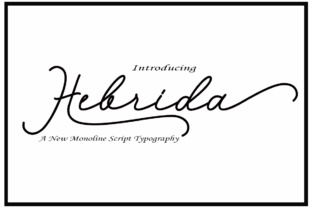
Hebrida is not merely another script font; it is a digital reflection of genuine penmanship. As a product maker, I often struggle with scripts that look too perfect or overly ornate, which can clash with the rustic or minimalist aesthetic of modern handmade items. Hebrida’s incredible handwritten style offers a clean, monoline structure that remains legible even at smaller sizes. This visual personality is crucial when designing for physical products where texture matters. Whether you are printing on kraft paper, glossy sticker vinyl, or linen cardstock, the uniform stroke weight ensures the ink lays down evenly without losing detail.
This font brings a sense of movement and joy to static designs. When I use it for boutique tags or packaging stickers, it adds an emotional layer that standard serif or sans serif fonts simply cannot achieve. It tells the customer that a real person created this item, reinforcing the value of handmade craftsmanship. The dancing baseline creates a natural rhythm that guides the eye, making product names and short phrases feel inviting rather than purely informational.
Elevating Product Packaging and Labels
In the world of Etsy sellers and small business owners, packaging is the first physical touchpoint a customer has with your brand. Using Hebrida Script for candle labels, soap wrappers, or jewelry cards instantly elevates the perceived quality of the merchandise. I recently used this typeface for a line of seasonal soy candles, and the result was a cohesive brand identity that felt both premium and approachable. Because the font is monoline, it pairs beautifully with illustrative elements like botanical line art or simple geometric borders commonly found in artisanal packaging design.
For those creating product labels, readability is paramount. While elaborate calligraphy fonts are stunning for large displays, they often fail on small circular stickers or narrow tag formats. Hebrida strikes a practical balance. Its clean lines remain distinct when scaled down for 2-inch round labels or ingredient lists. However, it truly shines as a display font for the primary product name. When designing your next batch of shipping labels or thank-you cards, consider using Hebrida for the recipient's name or a personalized message to turn a standard transactional element into a memorable unboxing experience.
Designing Stationery and Wedding Invitations
Stationery designers know that wedding invitations require a delicate balance of elegance and clarity. Hebrida Script serves as an excellent choice for couple names, venue details, or welcoming phrases on signage. Unlike heavy brush scripts that can feel overwhelming, Hebrida’s lighter weight allows for generous whitespace, which is a hallmark of modern editorial design. I have found it particularly effective for welcome boards and table numbers, where the dancing letterforms add a celebratory mood without sacrificing legibility from a distance.
Beyond weddings, this font is a staple for greeting cards and printable wall art. When designing birthday invitations or holiday cards, the playful yet refined nature of Hebrida appeals to a wide demographic. It works exceptionally well for digital downloads where customers will print the files at home. The consistent stroke width means that even standard home inkjet printers can reproduce the lettering crisply, avoiding the muddy edges that sometimes plague complex script fonts. For printable creators, offering templates featuring Hebrida provides end-users with a design asset that looks professional straight out of the printer.
Practical Tips for Cutting Machines and Merchandise
For crafters using Cricut or Silhouette machines, font selection can make or break a project. Intricate scripts with varying thicknesses often result in torn vinyl or frustrating weeding sessions. Hebrida’s monoline construction is a dream for cutting. The uniform lines allow for consistent blade pressure, resulting in clean cuts on adhesive vinyl, heat transfer vinyl (HTV), and cardstock. I have used it successfully for tote bags, t-shirts, and custom mugs without needing to manually simplify the paths or adjust cut settings excessively.
When applying Hebrida to merchandise like apparel or tumblers, consider the surface area. On a curved mug or a gathered tote bag, the dancing baseline helps the text conform naturally to the shape, whereas rigid block letters can look distorted. Always test your sizing on scrap material first. While Hebrida is versatile, extremely tight kerning can sometimes cause issues during weeding. Utilizing the OpenType features to access alternates or ligatures can help create smoother connections between letters, reducing the number of individual pieces you need to transfer.
Font Pairing and Brand Consistency
A single font rarely carries an entire brand identity. To maximize the impact of Hebrida Script, thoughtful font pairing is necessary. Because Hebrida has such a distinct, flowing personality, it pairs best with grounded, structured typefaces. A clean sans serif font provides a modern contrast that anchors the whimsy of the script, making it ideal for body copy on packaging or website descriptions. Alternatively, a simple serif font can evoke a vintage or literary feel, perfect for bookish merchandise or heritage-style crafts.
Maintaining brand consistency across different mediums is easier when your primary display font is versatile. Hebrida transitions seamlessly from physical product labels to social media graphics and web design. When creating Instagram stories or Pinterest pins to promote new shop items, using the same script font reinforces recognition. Customers begin to associate that specific handwritten style with your shop, building trust and familiarity over time. This visual continuity is what separates hobbyists from established creative businesses.
Licensing and Technical Considerations for Sellers
Before incorporating any new typeface into products intended for sale, verifying the licensing terms is a non-negotiable step for commercial craft sellers. Always check whether the license covers physical products, digital templates, or both. Some licenses may restrict the use of fonts in editable templates sold to others, while allowing unlimited physical end-products. Understanding these distinctions protects your business and respects the type designer's work.
Additionally, explore the full capabilities of the font file. Check for multilingual support if you serve an international customer base, as special characters are often needed for names or phrases in other languages. Review the included alternates, swashes, and ligatures; these extras can customize the look of Hebrida Script so your designs don't look identical to every other user's. Finally, ensure you have the correct file formats. OTF and TTF files are standard for design software, but having SVG versions can streamline workflow for cutting machine users who prefer not to install fonts directly. By treating typography as a vital component of your production process, Hebrida Script becomes more than just a decorative element—it becomes a reliable tool for building a beautiful, sellable brand.